Oven and Stove Repair Service | Appliance Repair Service
Correcting weak glow-bar igniters, burnt electric bake elements, burner click loops, and inaccurate temperature sensor calibration.
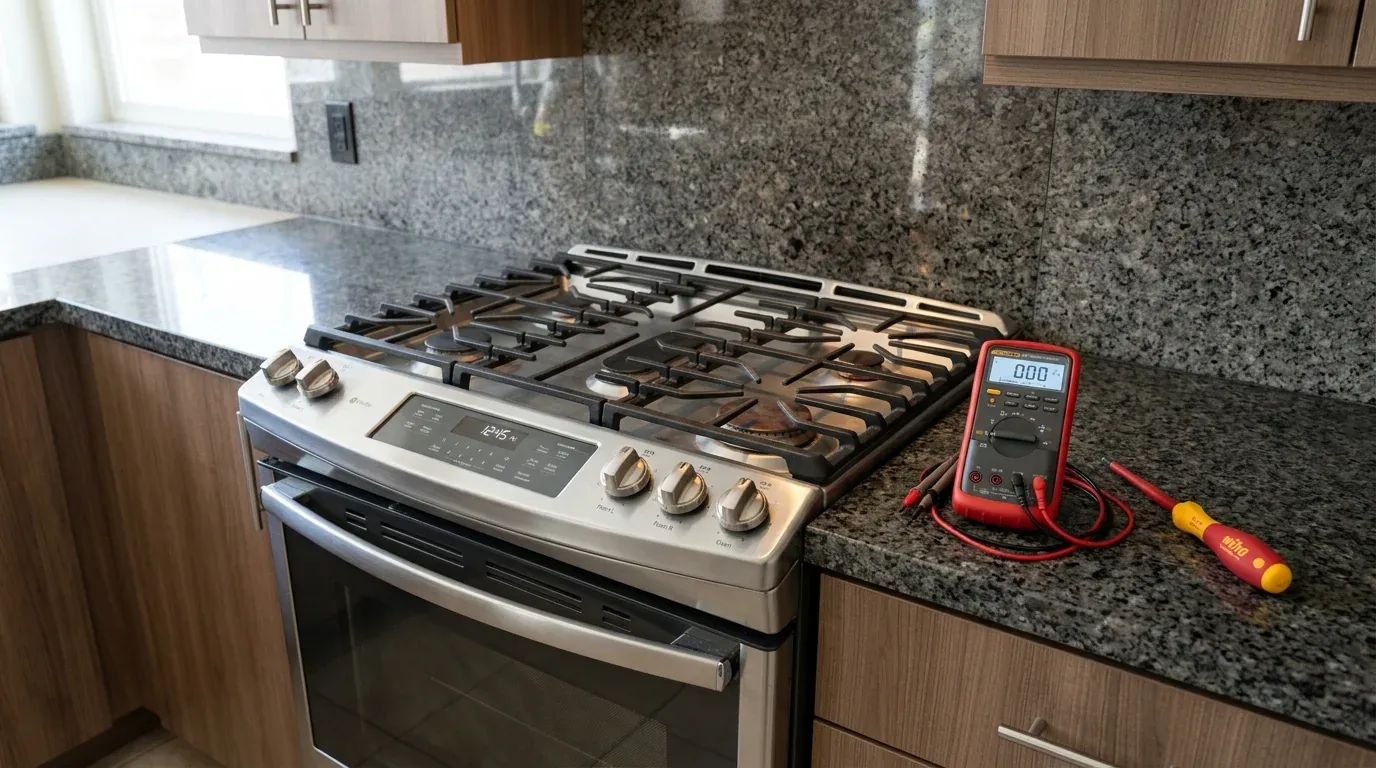
About This Service
Inconsistent baking heat or stubborn cooktop burners prevent normal meal preparation and create potential safety hazards. Gas ranges frequently suffer from aged ceramic igniters that draw insufficient amperage to release internal gas safety valves, while electric ovens develop blistered bake elements that arc or snap. Technicians measure temperature sensor resistance, inspect spark module electronics, and calibrate electronic control relays for precise oven heat. Restoring reliable ignition and even heat distribution ensures safe cooking and predictable baking temperatures every day.
Thermal Calibration & Gas Safety Protocols
Cooking equipment requires strict adherence to electrical and fuel safety standards. Troubleshooting covers ceramic igniter draw, spark ignition module pulses, and electronic relay board outputs. Direct resistance metering of bake elements and RTD sensor probes ensures exact preheating and steady baking temperatures.
Common Symptoms We Inspect
- Gas oven clicks or glows orange but fails to light the burner
- Electric bake or broil element blisters, sparks, or stays cold
- Cooktop spark igniters continue clicking after the flame lights
- Oven temperature runs significantly hotter or cooler than display setting
- Convection fan motor squeals or vibrates loudly during baking
Standard Diagnostic Procedures & Solutions
- Ceramic Glow-Bar Igniter Amperage Verification: Measuring electrical amperage draw across igniter leads ensures sufficient current to open bi-metal gas safety valves reliably.
- Electric Bake & Broil Element Replacement: Installing heavy-duty nichrome sheath bake elements restores even radiant heat without electrical arcing hazards.
- RTD Temperature Sensor Probe Calibration: Testing platinum sensor resistance against manufacturer temperature curves ensures accurate oven cycling and consistent baking.
- Spark Ignition Module & Switch Harness Repair: Isolating shorted burner switch harnesses stops relentless igniter clicking and restores smooth cooktop burner lighting.
Frequently Asked Questions About Oven and Stove Repair Service
Restore Your Oven and Stove Repair. Call Today.
Speak directly with an appliance repair specialist to discuss your machine symptoms and schedule a diagnostic visit.